
Social Research
Across SOUNDSCALE, social research helps us decide what questions to ask of DAS, how to interpret its technical possibilities, and whose knowledge and experience should inform the research. We use deliberative, qualitative, ethnographic, and spatial methods, sometimes alongside technical and arts-led approaches. This means that the social questions are part of the research from the beginning, rather than something considered only after the technology has been developed.
This is why we held the Citizens’ Panel before beginning the project’s main research stage. DAS is still unfamiliar to most people, and many of its urban uses are still being proposed or developed. We wanted citizens to have time to learn about the technology, question whether and where it might be useful, consider its possible benefits and harms, and help establish what the project should investigate. Drawing on democratic innovation and deliberative practice, we are analysing not only what participants prioritised, but how they reasoned through different possibilities, exchanged views, weighed public benefit against risks and costs, and sometimes revised their priorities as the Panel progressed. We are also reflecting on what was difficult: explaining why we were consulting people so early, communicating uncertainty without withholding information, and navigating questions of knowledge, expertise, trust, representation, and accountability.
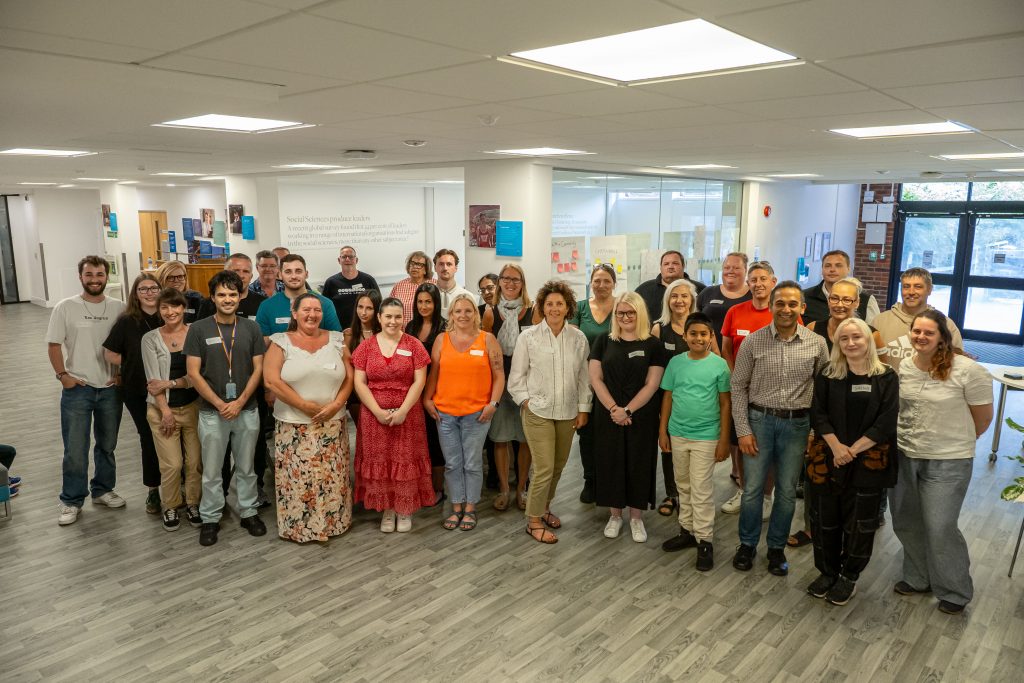
The Citizens’ Panel findings were then taken into an interdisciplinary workshop, where researchers from different fields worked with the questions and themes raised by participants. The aim was not simply to discuss the findings, but to turn them into research that could be taken forward across the project.
This research also considers how deliberative methods relate to the project’s arts-led and public-engagement work. The Citizens’ Panel combined facilitated discussion and voting with mapping, walking, embodied activities, and science-fiction worldbuilding. The artistic research has continued to explore questions of trust, technology literacy, public agency, infrastructure, and justice. We are interested in what these different methods allow people to express, question, and imagine, and how social and artistic research might inform one another.
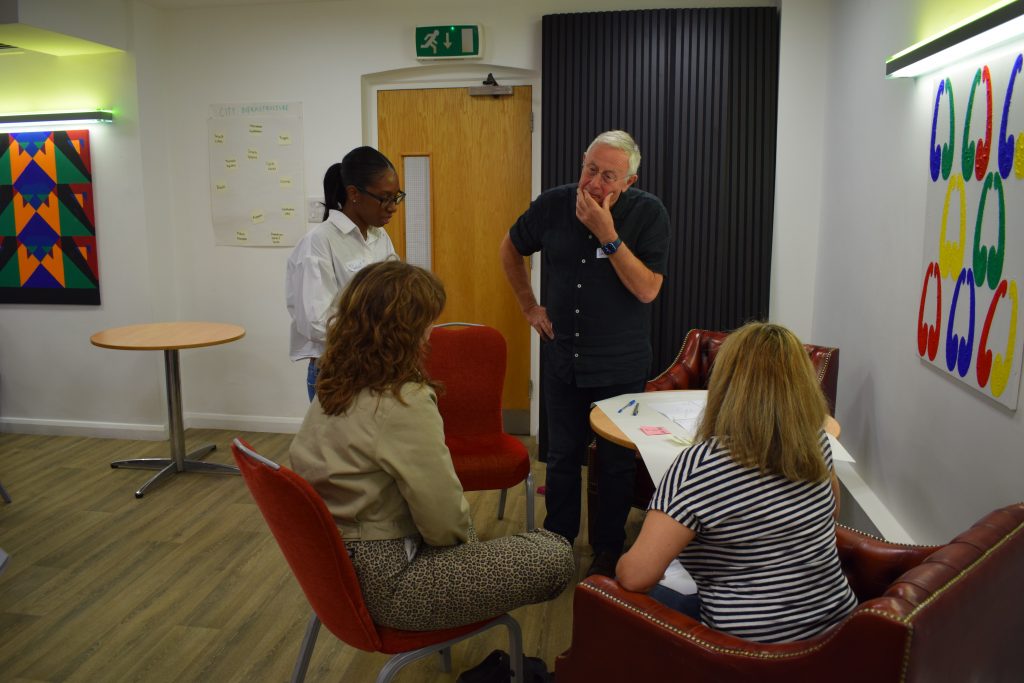
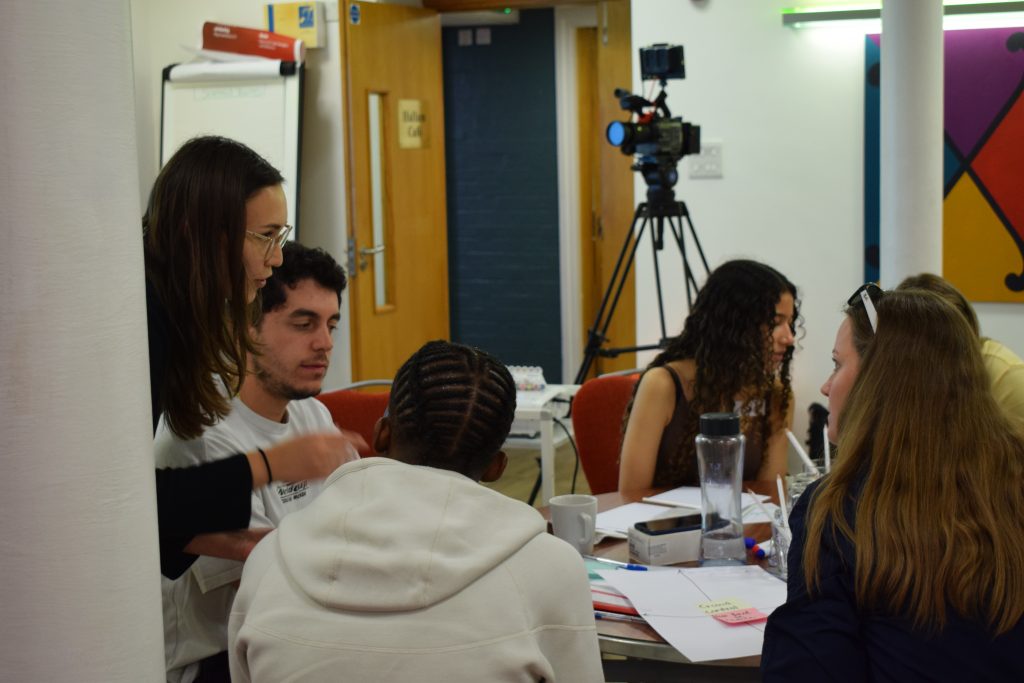
Science and technology studies informs how we examine DAS as a technology shaped by institutions, infrastructures, expertise, and social relations. Through a digital ethnography of SOUNDSCALE itself, we are studying how researchers experience and negotiate interdisciplinary knowledge production through the project’s online interactions and group dynamics.
Another interdisciplinary subproject, developed from the Citizens’ Panel, explores whether DAS could provide useful evidence about pedestrian activity for research in the public interest. Reliable footfall data can be difficult or expensive to access, despite its value for understanding how people move through cities, planning for large crowds and emergencies, and improving public health. The project connects technical research with human and health geography, asking whether DAS could support research on walkability, access to public and green spaces, and health inequalities, while also examining what the technology can and cannot reliably detect.
Our policy research also examines the organisations, policies, and governance arrangements shaping DAS, including who holds influence and how citizens can participate in decisions about its development and use. This work is described further in the Policy work section.